
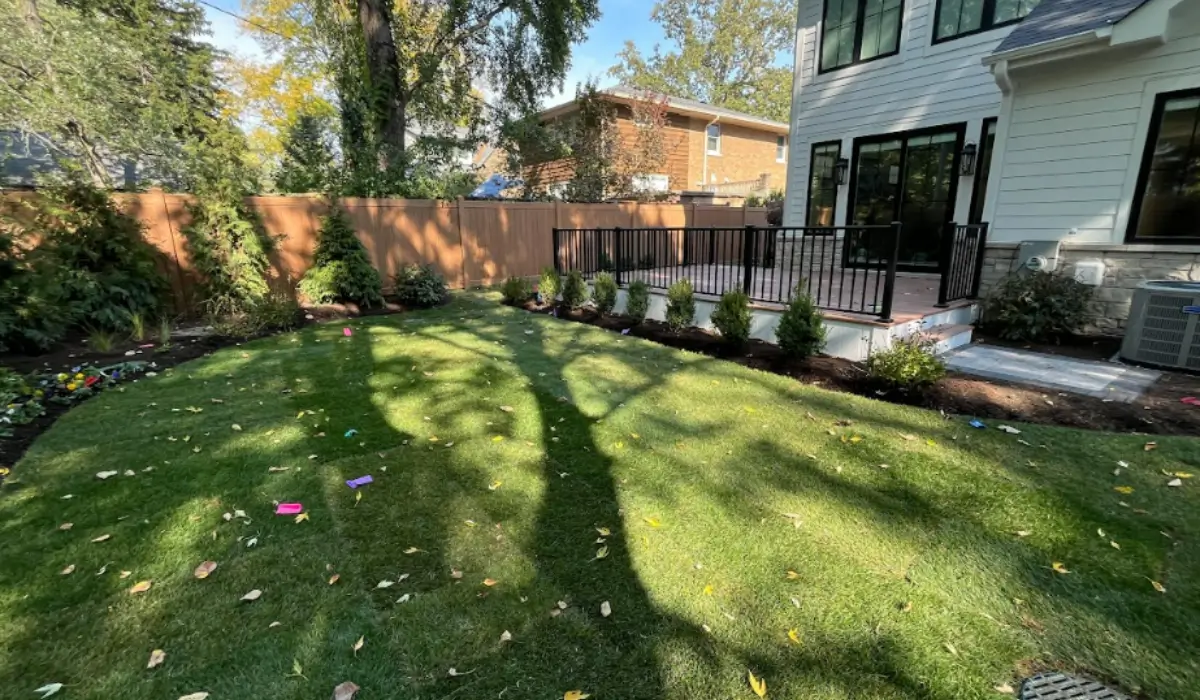
Prepping Your Lawn The March Must Do Checklist
Prepping your lawn begins before grass turns green. March determines root strength, weed pressure, and turf density for the rest of the year. Many first-time homeowners notice patchy grass, compacted soil, and early weeds without knowing where to begin.
Since 1982, Tommy Pollina Landscape Company has helped Chicagoland properties recover from winter stress using structured, research-backed methods. Our lawn maintenance services focus on debris removal, soil testing, and mechanical aeration to strengthen root systems early and prevent recurring seasonal damage.
Let’s break down why March action matters and what to prioritize first.
Why Prepping Your Lawn in March Is Critical Now
March weather in Northern Illinois creates a narrow recovery window. Cold winters leave behind three primary stressors:
- Soil compaction from snow weight
- Crabgrass germination once soil reaches 55°F
- Thatch buildup restricting nutrient flow
Crabgrass begins germinating after soil temperatures hold near 55°F for several consecutive days, a benchmark supported by research published by the University of Minnesota Extension. Missing that temperature threshold allows weeds to compete aggressively for moisture and nutrients throughout the growing season.
Freeze and thaw cycles further compress clay-heavy Midwest soil, limiting oxygen movement below the surface. Compacted soil weakens root expansion and reduces turf density long before summer heat arrives.
Pooling water after snowmelt often exposes grading inconsistencies. Many property owners begin searching for a landscaping company near me when drainage issues surface during early spring.
In our experience across Chicagoland properties, most lawn decline begins with overlooked spring soil compaction rather than summer heat alone.
First 3 Things Every Homeowner Should Do
Early lawn preparation works best when approached methodically.
1️⃣ Clear Debris and Excess Thatch
Leaves, twigs, and matted grass trap moisture and block sunlight. A thorough spring cleanup restores airflow and surface exposure once soil firms.
A healthy thatch layer measures under one half inch. Anything thicker prevents fertilizer, oxygen, and water from reaching the root zone. Pull back a small section of turf to measure buildup before applying nutrients.
Many homeowners search for an affordable landscaping near me solution when early cleanup becomes time intensive.
2️⃣ Test the Soil Before Adding Anything
Applying fertilizer without soil data wastes product and disrupts nutrient balance.
Cool-season turf performs best in soil with a pH between 6.0 and 7.0. Clay-dominant soils across Northern Illinois often require early correction to improve nutrient absorption and root development.
- pH level
- Nitrogen, phosphorus, and potassium levels
- Organic matter percentage
Balanced nutrient application improves root absorption and reduces runoff. Prepping your lawn without testing turns maintenance into guesswork.
3️⃣ Schedule Aeration or Overseeding Early
Dense soil layers restrict oxygen movement and limit root expansion. Core aeration removes plugs two to three inches deep, allowing air and moisture to move more freely below the surface.
Overseeding immediately after aeration improves seed-to-soil contact and increases germination success rates by up to 80 percent.
Demand rises quickly in March, especially among homeowners searching for a lawn care contractor near me before seasonal scheduling fills.
These early corrections determine whether turf thickens evenly or struggles to fill thin areas later in the season.
Early aeration and soil correction prevent recurring patchiness and shallow roots. Reserve priority scheduling before demand peaks and lock in your spring lawn assessment with our experienced Chicagoland team.
Warning Signs That You’ll Need Pro Help
Surface cleanup does not resolve deeper structural issues.
Watch For:
- Bare patches that persist after seeding
- Water pooling longer than 24 hours
- Circular fungal discoloration
- Soil that feels rigid even when moist
Repeated damage signals grading slope inconsistencies, shallow root systems, or long-term compaction. As a residential landscaping company, we evaluate soil profile, drainage direction, and root depth to prevent seasonal decline.
Examples of drainage correction and turf restoration across Chicagoland appear in our Gallery.
DIY or Professional Assessment
DIY Appropriate
- ✅Light raking
- ✅Basic soil testing
- ✅Minor spot seeding
Professional Support Recommended
- ✅Large compacted zones
- ✅Drainage grading corrections
- ✅Recurring fungus
- ✅Extensive turf repair
Many homeowners begin spring lawn care independently, then recognize that mechanical aeration and grading adjustments require commercial equipment for long-term results.
Prepping Your Lawn With March Service Timing
Early scheduling secures optimal results before rapid growth begins.
Aeration
Core aeration increases oxygen exchange and improves water infiltration. Stronger root systems develop before summer heat stress weakens turf performance.
Fertilization
Slow-release fertilizer promotes steady blade development while prioritizing root expansion early in the season. Correct nutrient ratios prevent surge growth that strains young turf.
Turf Repair or Turf Installation
Severely damaged areas may require partial turf installation. Sod stabilizes exposed soil quickly and reduces erosion risk in high-traffic zones. Root systems typically begin integrating into existing soil within 10 to 14 days under consistent moisture conditions.
When damage extends beyond isolated patches, homeowners searching for a landscaping company near me often prioritize teams experienced in both turf restoration and drainage evaluation.
Prepping Your Lawn for Long Term Health Gains
Early action builds seasonal momentum, and prepping your lawn in March lays the groundwork for consistent turf performance. Consistent mowing height, controlled irrigation timing, and balanced nutrients determine turf density by midsummer.
For more than four decades, Tommy Pollina Landscape Company has helped Chicagoland homeowners correct drainage problems, strengthen root systems, and prevent recurring turf damage. Many property owners searching for affordable landscaping near me choose proactive Lawn Maintenance programs rather than reacting to thinning grass or erosion later in the season.
Strong turf begins with decisive March planning and experienced local guidance.
Book Your Spring Lawn Assessment
Spring timing determines root strength, turf density, and long-term resilience. Our Lawn Care Services correct compaction, balance nutrients, and reduce early weed pressure before escalation. Call (847)-698-6868 to secure your spring lawn assessment and protect your property before seasonal stress intensifies.
Latest Posts:
- Landscape Lighting Ideas to Make Your Backyard Shine This Summer
- 5 Landscape Design Fixes to Make Before Winter Comes
- Top 5 Spring Planting Mistakes Homeowners Make
- The Ultimate Fall Lawn Care Routine Before the First Frost
- The Best Backyard Upgrades for Memorial Day Hosting
- Drainage Problems in Fall? Why It’s Not Too Late to Fix Them
- Winter Drainage Solutions to Prevent Ice Build-Up Around Glencoe Homes
- Tree Trimming Season: When, Why & Best Time to Trim Trees
- When Should You Book Holiday Lighting Installation? Sooner Than You Think
- Hardscape Maintenance Tips for Icy Winters in Winnetka
- Lawn Looking Patchy? 3 Fixes Before Summer Heat
- How to Winterize an Outdoor Kitchen in Wilmette and Park Ridge
- 6 Must-Have Features for Your Summer Landscaping Makeover
- Signs Your Lawn Has Winter Drainage Problems (And What to Do Now)
- Are Sprinklers Wasting Water? Signs It’s Time for a Check
- Planning Off-Season Landscaping Early for a Smoother Spring Build
- Is It Time to Replace Your Old Patio? 4 Signs to Watch For
- What Happens If You Don’t Remove Snow From Your Lawn?
- How to Protect Your Landscaping From Extreme Summer Heat
- Valentine’s Day Garden Prep: Plants That Bloom Beautifully by May
- Outdoor Living Trends: Mid-Summer Upgrades Worth the Investment
- Backyard Flooding? Why Early Spring Is the Best Time for Drainage Work
- Your July Landscape Checklist: 8 Tasks to Keep It Thriving
- Thinking of a Patio? Why February Is Prime Time for Hardscape Planning
- Fall Starts in August: How to Prep Your Landscape Now
- 3 Landscape Design Ideas to Lock In Before Spring Rush Starts
- Backyard Projects to Finish Before Labor Day
- What to Do First When Prepping Your Lawn for Spring
- Reseed Your Lawn Before Summer Ends: A Lawn Recovery Plan
- Essential Spring Landscaping Services to Book Before April
- When to Book Fall Cleanup (Hint: It’s Earlier Than You Think)
- Why Mulching in April Protects Your Garden All Year Long
- How Outdoor Lighting Boosts Home Value & Safety This Fall
- Outdoor Kitchens in Park Ridge: A Must-Have for Summer
- Evergreens and Shrubs in Glencoe with Cold-Weather Plant Installation
- Functional & Beautiful Retaining Walls for Winnetka Homes
- Transforming Small Backyards in Kenilworth with Hardscaping
- 5 Landscape Design Trends for Glencoe Homeowners in 2025
- French Drain vs. Channel Drain: Which Works Best for Glenview Homes?
- Landscape Drainage Solutions That Actually Work in Winnetka
- Planning a Late Summer Hardscape Installation in Park Ridge
- Outdoor Kitchen Add-Ons Worth the Investment in Glencoe
- We’re Featured on Redfin! Backyard Privacy Tips from Tommy Pollina Landscaping
- Overwatering or Drying? Smart Irrigation System Installations
- Creating Multi-Level Hardscape Designs for Glenview Backyards
- Drainage Upgrades to Prevent Fall Flooding in Park Ridge
- Best Arborvitae Varieties for Privacy in Winnetka and Wilmette
- Designing Outdoor Kitchens with Built-In Fire Features in Glencoe