
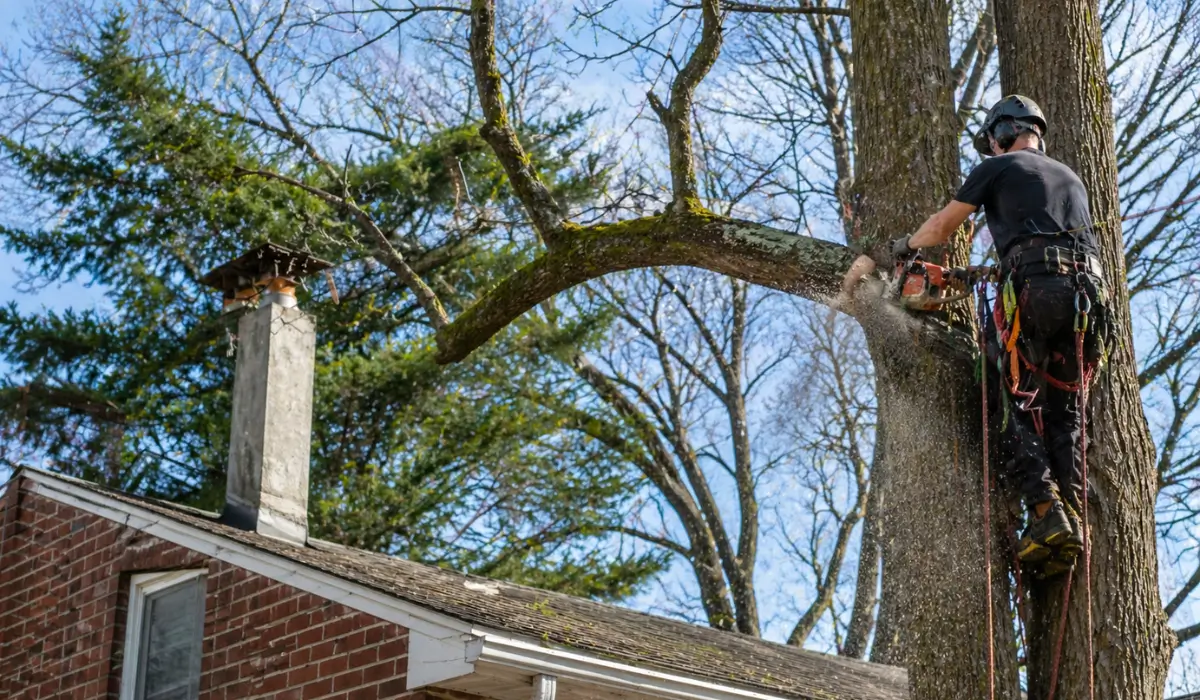
Understanding Tree Trimming Season and Why Timing Matters
The best time to trim trees is late spring (May), when active growth helps cuts heal faster and weak branches are easier to spot before storm season. Trimming at the wrong time can slow recovery and increase long-term damage.
Most guides recommend winter trimming, but in real residential work, late spring often delivers better visibility, safer corrections, and faster recovery—especially for trees already under stress.
Tree trimming season improves tree health, reduces safety risks, and prepares landscapes for summer weather before minor issues escalate into costly problems. At Tommy Pollina Landscape, seasonal trimming is often the difference between simple maintenance and emergency repair work.
Why Late Spring Improves Tree Healing and Growth
Late spring trimming supports faster recovery, better structure, and early risk reduction before severe weather begins.
Growth has resumed, making it easier to identify weak areas and correct them before they worsen.
What Makes May Effective
- Active growth helps cuts recover faster
- Foliage reveals overloaded or weak branches
- Storm preparation can happen before summer storms arrive
Seasonal Impact on Tree Response
- May supports faster recovery
- Weak limbs are easier to identify
- Early trimming improves storm readiness
Timing directly affects how a tree redistributes energy after trimming. Early seasonal work supports stronger, more balanced growth.
ISA pruning guidelines consistently show that proper timing improves wound closure and structural stability.
When NOT to Trim Trees (Common Mistake Most Homeowners Miss)
Avoid trimming in late fall or during extreme summer heat, as trees recover slower and may become stressed or vulnerable to disease.
High-risk timing includes:
- Late fall (slow healing, disease exposure)
- Peak summer heat (stress + dehydration)
- During active storms or high winds
We’ve seen cases where fall trimming led to decay spreading through branches because cuts didn’t seal in time. Timing mistakes often cause more damage than skipping trimming altogether.
Top 3 Reasons to Trim During Tree Trimming Season
Trimming during the right season prevents damage, improves safety, and supports healthier growth across your landscape.
Seasonal growth often reveals issues that become more expensive if ignored.
1. Overgrowth Near Roofs and Power Lines
Branches growing too close to structures create both structural and safety concerns.
Common concerns:
- Roof and gutter damage
- Branch strain during storms
- Encroachment near utility lines
In real service calls, minor overgrowth often turns into emergency removal after storms. Early correction avoids that escalation.
2. Broken or Dead Limbs
Dead or damaged limbs often fail without warning. Removing those limbs early lowers that risk.
Common warning signs:
- Cracked branches
- Hanging limbs
- Splitting branch unions
These are often invisible from the ground. During inspections, hidden decay is one of the most common issues we uncover.
Examples of corrective work can be seen in tree-trimming projects.
3. More Sunlight for Lawn and Garden
Dense canopies can limit the health of everything growing beneath them. Strategic trimming improves light, airflow, and lawn and garden growth.
Benefits include:
- Healthier turf growth
- Better garden light exposure
- Improved airflow around planting beds
This is often overlooked, but improving light and airflow can significantly improve the overall landscape, not just the tree itself.
Trimming vs. Pruning vs. Removal
Each service solves a different problem—trimming manages growth, pruning improves health, and removal eliminates risk.
| Service | Purpose | When Needed |
| Trimming | Manage growth and shape | Seasonal maintenance |
| Pruning | Improve health and structure | Corrective care |
| Removal | Eliminate major hazards | Severe damage |
Choosing the wrong service often leads to repeat work. For example, trimming a structurally failing tree may only delay the need for removal.
After removals, stump grinding often completes the restoration process. In some cases, full tree removal may be the safer long-term option.
Stay Ahead of Structural Tree Issues
Tree growth can shift quickly throughout the season, and what looks minor today can turn into a larger structural concern sooner than expected. Addressing these changes early helps keep maintenance simple, controlled, and far more predictable.
When homeowners start noticing uneven growth or subtle imbalances, scheduling a professional assessment is often the clearest next step forward.
How Tree Trimming Is Done (Step-by-Step)
Professional tree trimming follows a structured process to protect both the tree and surrounding property.
Typical process:
- Inspect tree health and structure
- Identify weak or crowded limbs
- Select proper cut locations
- Use proper climbing or aerial equipment for safe access
- Make clean cuts that preserve balance
- Remove debris and reassess canopy structure
The difference between good and bad trimming often comes down to cut placement. Poor cuts can create long-term instability.
This same process is used in professional tree trimming services to improve safety and consistency.
DIY vs. Hiring a Pro
Tree trimming becomes significantly riskier with height, weight, and hidden defects—professional service reduces those risks.
Common Risk Signals
- Ladder work increases injury risk
- Branch weight shifts unexpectedly
- Improper cuts weaken future growth
We’ve seen homeowners start small trimming jobs and uncover internal decay mid-cut. That’s where professional assessment prevents costly mistakes.
“The cost of a bad cut is more than the cost of a pro.”
During inspections, homeowners attempt small trimming jobs and discover hidden decay or unstable limbs once work begins. That is where arborist services help prevent mistakes that become expensive later.
For those searching tree trimming services near me, professional timing and execution often make the biggest long-term difference.
The Cost Impact of Timing Tree Trimming
Early trimming is usually more affordable, while delayed work increases labor, cleanup, and emergency costs.
Early Maintenance Often Means:
- Light shaping instead of major correction
- Lower labor needs
- Fewer storm-related surprises
Delayed Trimming Often Leads To:
- Heavier corrective cuts
- Greater cleanup needs
- Higher emergency-response costs
Preventive trimming is typically straightforward. Once damage occurs, projects often combine trimming, removal, and cleanup into a larger job.
For property owners comparing landscaping company near me, preventive service often creates the strongest long-term value.
How Trees Respond After Trimming
Proper trimming improves structure and growth, while poor trimming can weaken the tree and create long-term problems.
Positive Response Signs
Balanced regrowth
Healthy energy shifts into stronger limbs.
Improved airflow
Better circulation reduces moisture stress inside dense canopies.
Reduced branch strain
Weight distribution often improves after well-placed cuts.
Cleaner branch architecture
Future maintenance may become simpler and less corrective.
Healthy trees redistribute energy into stronger limbs, improving stability over time.
Signs of Healthy Tree Recovery After Trimming
- Proper cuts support stronger regrowth
- Balanced canopies handle stress better
- Healthy response improves long-term structure
Poor trimming often leads to repeated maintenance and higher long-term costs.
Tree Trimming Response Markers
Signs of healthy recovery include:
✓ Even new growth
✓ Better light inside the canopy
✓ Less branch crowding
✓ More balanced structure
Warning signs of poor trimming may include:
- Weak water sprouts
- Uneven regrowth
- Large wounds slow to close
- New imbalance forming
Routine seasonal tree care typically costs far less than reactive emergency work.
Tree Trimming Season Is a Timing Decision With Long-Term Impact
Proper timing affects safety, growth, and maintenance costs. Trees addressed early often remain healthier, more balanced, and less likely to require major correction later.
Tommy Pollina Landscape brings hands-on experience managing residential and commercial tree care across seasonal projects. Many of our service calls involve correcting issues that started with poor timing or improper cuts.
Book Tree Services Now Before Summer Storms Roll In
Small issues can turn into major damage once storms arrive. In the Chicago area, we often see preventable branch failures escalate into emergency calls after summer weather hits.
Tommy Pollina Landscape Company provides experienced, reliable tree care backed by real field experience.
Schedule Your Tree Trimming Assessment
Address potential tree risks before they turn into costly property damage or safety concerns.
Latest Posts:
- Landscape Lighting Ideas to Make Your Backyard Shine This Summer
- 5 Landscape Design Fixes to Make Before Winter Comes
- Top 5 Spring Planting Mistakes Homeowners Make
- The Ultimate Fall Lawn Care Routine Before the First Frost
- The Best Backyard Upgrades for Memorial Day Hosting
- Drainage Problems in Fall? Why It’s Not Too Late to Fix Them
- Winter Drainage Solutions to Prevent Ice Build-Up Around Glencoe Homes
- Tree Trimming Season: When, Why & Best Time to Trim Trees
- When Should You Book Holiday Lighting Installation? Sooner Than You Think
- Hardscape Maintenance Tips for Icy Winters in Winnetka
- Lawn Looking Patchy? 3 Fixes Before Summer Heat
- How to Winterize an Outdoor Kitchen in Wilmette and Park Ridge
- 6 Must-Have Features for Your Summer Landscaping Makeover
- Signs Your Lawn Has Winter Drainage Problems (And What to Do Now)
- Are Sprinklers Wasting Water? Signs It’s Time for a Check
- Planning Off-Season Landscaping Early for a Smoother Spring Build
- Is It Time to Replace Your Old Patio? 4 Signs to Watch For
- What Happens If You Don’t Remove Snow From Your Lawn?
- How to Protect Your Landscaping From Extreme Summer Heat
- Valentine’s Day Garden Prep: Plants That Bloom Beautifully by May
- Outdoor Living Trends: Mid-Summer Upgrades Worth the Investment
- Backyard Flooding? Why Early Spring Is the Best Time for Drainage Work
- Your July Landscape Checklist: 8 Tasks to Keep It Thriving
- Thinking of a Patio? Why February Is Prime Time for Hardscape Planning
- Fall Starts in August: How to Prep Your Landscape Now
- 3 Landscape Design Ideas to Lock In Before Spring Rush Starts
- Backyard Projects to Finish Before Labor Day
- What to Do First When Prepping Your Lawn for Spring
- Reseed Your Lawn Before Summer Ends: A Lawn Recovery Plan
- Essential Spring Landscaping Services to Book Before April
- When to Book Fall Cleanup (Hint: It’s Earlier Than You Think)
- Why Mulching in April Protects Your Garden All Year Long
- How Outdoor Lighting Boosts Home Value & Safety This Fall
- Outdoor Kitchens in Park Ridge: A Must-Have for Summer
- Evergreens and Shrubs in Glencoe with Cold-Weather Plant Installation
- Functional & Beautiful Retaining Walls for Winnetka Homes
- Transforming Small Backyards in Kenilworth with Hardscaping
- 5 Landscape Design Trends for Glencoe Homeowners in 2025
- French Drain vs. Channel Drain: Which Works Best for Glenview Homes?
- Landscape Drainage Solutions That Actually Work in Winnetka
- Planning a Late Summer Hardscape Installation in Park Ridge
- Outdoor Kitchen Add-Ons Worth the Investment in Glencoe
- We’re Featured on Redfin! Backyard Privacy Tips from Tommy Pollina Landscaping
- Overwatering or Drying? Smart Irrigation System Installations
- Creating Multi-Level Hardscape Designs for Glenview Backyards
- Drainage Upgrades to Prevent Fall Flooding in Park Ridge
- Best Arborvitae Varieties for Privacy in Winnetka and Wilmette
- Designing Outdoor Kitchens with Built-In Fire Features in Glencoe