
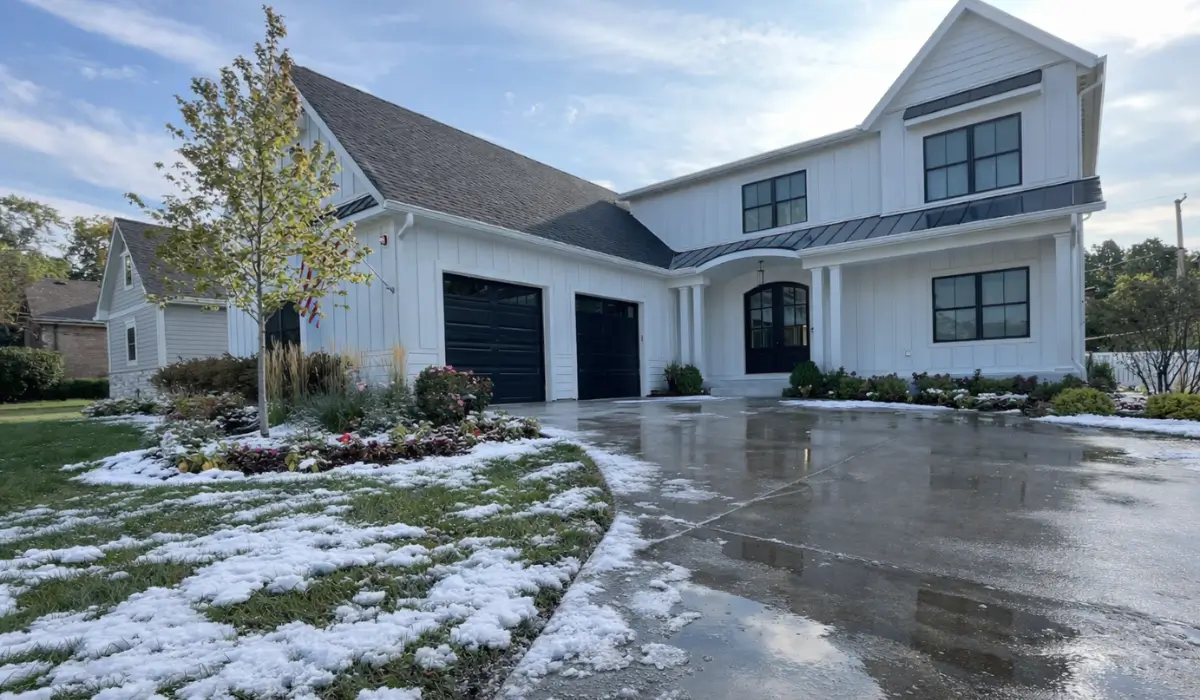
Hidden Risks When You Don’t Remove Snow From Your Lawn
Think snow protects your grass during winter? Let’s clear that up. Leaving snow to build up can damage your turf in ways you might not see until spring. When you remove snow from your lawn, you’re not just improving curb appeal. You’re preventing mold, root suffocation, and long-term damage caused by compaction and salt runoff.
Many homeowners assume winter means lawn care can pause. In reality, snow left too long causes more than an eyesore. Tommy Pollina Landscape Company offers residential landscaping and landscape maintenance services that help protect your lawn all season and prepare it to thrive when spring returns.
Don’t wait for hidden damage to surface in spring. Talk with a trusted professional about protecting your lawn before winter takes its toll. Call today to get ahead of costly repairs and prevent avoidable turf issues.
MYTH 1: Snow Insulates and Protects Your Lawn
Some accumulation can buffer temperature swings during harsh cold snaps. However, when layers become thick and compacted, they often cause more harm than good—especially without consistent snow and ice management.
Problems Caused By Prolonged Coverage:
- Reduced airflow that prevents your lawn from “breathing”
- Trapped moisture that leads to fungal growth and rot
- Blocked oxygen that suffocates turf roots
- Surface damage that leaves behind yellowed, dead-looking patches
These issues aren’t just cosmetic. They weaken the lawn’s health at its core.
✅ Tip: Clear heavy piles after each storm, especially around shaded corners and low-lying areas where coverage lingers longer.
MYTH 2: How to Remove Snow From Your Lawn and Avoid Mold Damage
Snow mold is more than just a leftover blemish from winter. When patches of turf turn gray or pink after a thaw, it signals fungal activity that begins under prolonged snow or during cold, damp conditions.
Research from Wisconsin’s Koch Turfgrass Research Lab explains how these molds thrive in low-oxygen environments created by melting snow, especially when grass stays wet for long periods without airflow.
Types Of Snow Mold To Watch For:
- Gray Snow Mold – develops under snow that remains for several weeks
- Pink Snow Mold – appears in cold, damp conditions, even without deep snow cover
These Fungi Damage Turf By:
- Creating matted, slimy textures
- Forming circular dead patches
- Weakening grass to the point of needing reseeding
Working with a lawn care contractor near me during winter helps identify early signs of mold and prevents it from spreading beneath the snowpack. This reduces the risk of spring repair costs and permanent turf damage.
Fungal damage and root suffocation build silently under snow. Take one step now to protect your lawn through the freeze-thaw season. Request a winter lawn quote and let our experts help you stay ahead of the damage.
MYTH 3: Lawn Service Can Wait Until Spring
Winter may make your lawn look dormant, but turf damage builds quietly beneath the surface. What appears inactive often becomes the root of long-term lawn problems, especially when seasonal maintenance is overlooked.
-
Ice Compaction Crushes Grass
Repeated foot traffic over snow compresses the soil and flattens blades. This limits airflow and restricts growth once the snow melts unless you remove snow from your lawn consistently to reduce surface pressure.
-
Root Systems Begin to Suffocate
Dense snowpack traps moisture and prevents oxygen from reaching the roots, which accelerates decay.
-
De-Icer Salt Causes Turf Burn
Runoff from salted driveways dries out nearby grass and leads to chemical damage along walk edges.
Adding landscape maintenance into your winter care plan prevents these issues from taking hold and reduces the need for spring restoration.
When to Remove Snow From Your Lawn to Prevent Root Decay
Winter doesn’t mean lawn care stops. Cold-weather services remain essential to protect turf from hidden threats that emerge after snowmelt. Partnering with a trusted lawn care contractor near me helps apply proven winter landscaping tips that prevent costly spring damage.
Here’s What Can Be Done Now To Protect Your Lawn:
- ✅ Fungus Prevention
Targeted treatments help suppress mold in shaded, moisture-prone zones. - ✅ Snow Redirection
Avoid piling snow onto delicate turf. Relocate it to runoff-safe areas away from roots and bed edges. - ✅ Turf-Safe De-Icing
Use calcium-based or lawn-friendly products near grass borders to prevent salt burn and stress. - ✅ Planning for Aeration
Identifying compacted zones now helps prepare for early spring aeration, improving root recovery and soil health.
These proactive steps reduce turf stress and preserve the structure of your lawn during winter months.
Visual Signs That Require Immediate Attention
Winter lawn problems often begin before temperatures rise. Damage can set in early, especially when moisture, salt, and freeze-thaw cycles interact with turf and soil.
Watch for these signs during colder months:
- Flattened or sunken zones after snowmelt
- Water pooling near downspouts or discharge lines
- Salt-damaged edges along sidewalks and driveways
- Browning or thinning patches visible through light snow cover
Sump discharge is a common culprit. When snowmelt or excess water flows directly onto grass, turf deteriorates from moisture saturation and freeze-back.
Our sump pump solutions team installs smart redirect systems that manage runoff and protect both lawn structure and soil integrity.
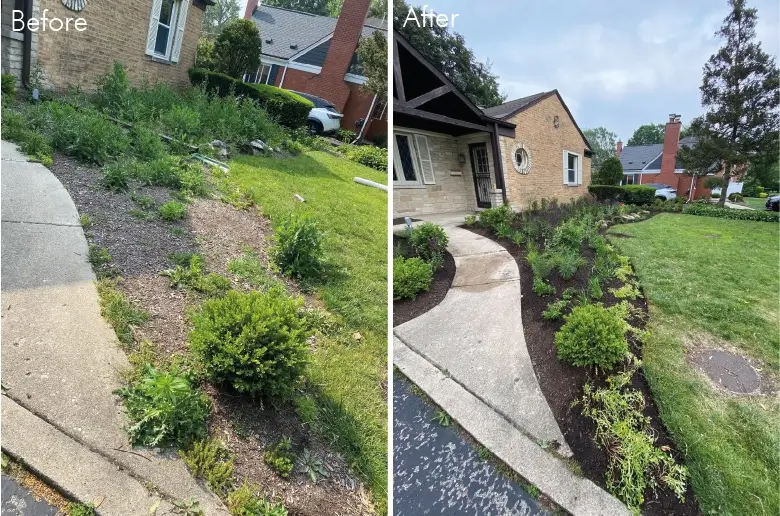
Before And After Results Of Winter Lawn Recovery
Long-Term Lawn Health Starts With Winter Prevention
Winter damage doesn’t wait for spring to reveal itself. Snow left on your lawn too long leads to compaction, fungal growth, and root stress that compromise turf health and appearance. When you remove snow from your lawn early and consistently, you’re protecting your landscape from long-term costs and recovery delays.
Tommy Pollina Landscape Company provides landscape maintenance services that help reduce winter stress and preserve lawn performance through every season. Turf weakened by moisture, lack of airflow, and salt exposure often struggles well into the growing season. Small preventive actions now create stronger, healthier lawns in spring.
Book a winter inspection before turf damage becomes irreversible. Protect your lawn with expert seasonal care from a team that understands Midwest winters. Call 847-698-6868 today to schedule your service before deeper issues set in.
Latest Posts:
- Winter Drainage Solutions to Prevent Ice Build-Up Around Glencoe Homes
- Hardscape Maintenance Tips for Icy Winters in Winnetka
- Winterizing Outdoor Kitchens in Wilmette & Park Ridge
- What Happens If You Don’t Remove Snow From Your Lawn?
- Valentine’s Day Garden Prep: Plants That Bloom Beautifully by May
- 3 Landscape Design Ideas to Lock In Before Spring Rush Starts
- Thinking of a Patio? Why February Is Prime Time for Hardscape Planning
- Functional & Beautiful Retaining Walls for Winnetka Homes
- Transforming Small Backyards in Kenilworth with Hardscaping
- 5 Landscape Design Trends for Glencoe Homeowners in 2025
- French Drain vs. Channel Drain: Which Works Best for Glenview Homes?
- Landscape Drainage Solutions That Actually Work in Winnetka
- Planning a Late Summer Hardscape Installation in Park Ridge
- Outdoor Kitchen Add-Ons Worth the Investment in Glencoe
- We’re Featured on Redfin! Backyard Privacy Tips from Tommy Pollina Landscaping
- Creating Multi-Level Hardscape Designs for Glenview Backyards
- Overwatering or Drying? Smart Irrigation System Installations
- Drainage Upgrades to Prevent Fall Flooding in Park Ridge
- Best Arborvitae Varieties for Privacy in Winnetka & Wilmette
- Designing Outdoor Kitchens with Built-In Fire Features in Glencoe
- Retaining Wall Designs to Manage Slopes in Kenilworth
- Landscape Installation Ideas to Boost Curb Appeal in Lake Forest
- Fall Drainage Maintenance Checklist for Glenview Homeowners
- The Best Time for Arborvitae Installation in Kenilworth & Glencoe
- Boost Curb Appeal in Wilmette: Combine Hardscape and Plantings Today
- Choosing the Right Hardscape Material for Wilmette Backyards
- Drainage Solutions to Protect Foundations in Winnetka Homes
- Yard Drainage Problems in Glenview: What to Watch for This Spring
- Outdoor Kitchen Lighting and Heating Upgrades for Fall Entertaining
- Outdoor Kitchens in Park Ridge: A Must-Have for Summer
- Evergreens and Shrubs in Glencoe with Cold-Weather Plant Installation
- Hardscaping Solutions for Stronger & Durable Outdoor Spaces
- Boost Your Home Value with an Outdoor Kitchen: 100% Return on Investment!
- Tired of a Patchy Lawn? Let’s Go Over Some Valuable Tips
- No Privacy in Your Yard? Landscape Designs That Add Beauty & Seclusion
- Year-Round Yard Care: Cleanup, Snow Removal & Tree Care Services
- Mulch is Frequently Used in Landscape Design
- Yard Flooding Issues? A Complete Guide
- Controlling Sump Pump Discharge