
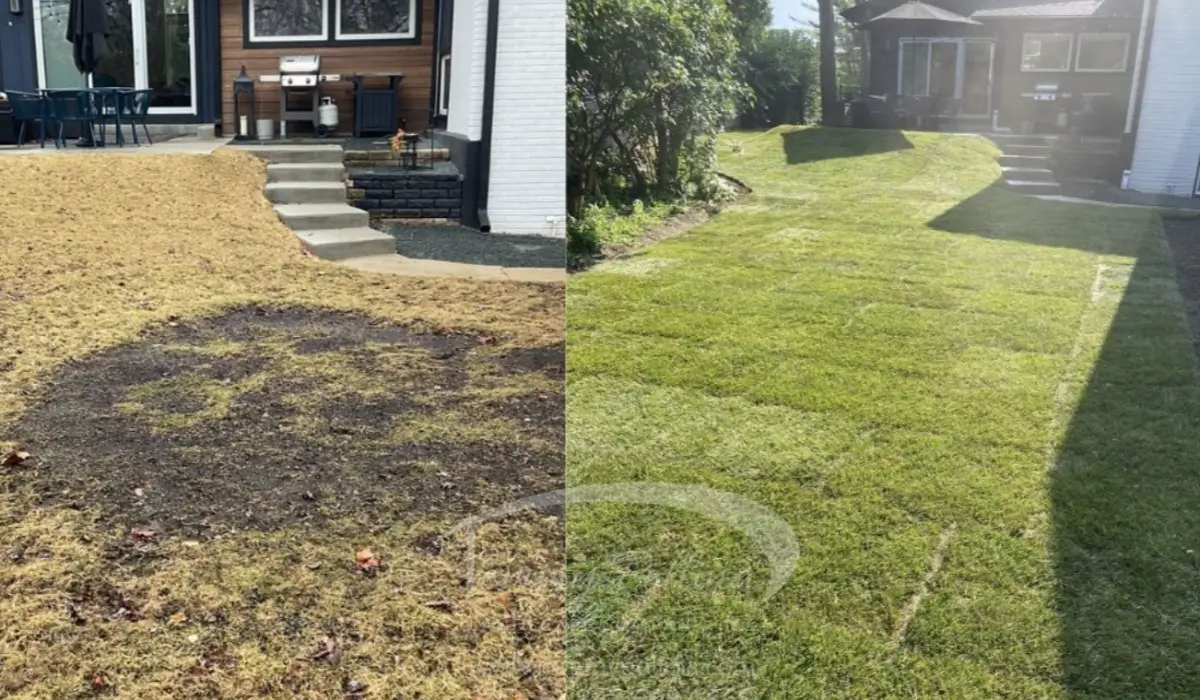
Off-Season Landscaping: Why Winter Is the Best Time to Plan Your Spring Project
Off-Season Landscaping gives you more than just a head start. Tommy Pollina Landscape Company uses winter as the season to plan smarter, build more efficiently, and deliver results that are ready before the rush begins. This is when ideas turn into clear direction without last-minute decisions or scheduling stress.
While others wait for the weather to improve, you’re already shaping a plan with confidence. Great yards do not begin with dirt. They begin with expert landscape design developed early and ready to move forward when the ground is ready.
The Secret Every Landscape Pro Knows: Planning Starts Early
Outdoor design projects succeed when every detail is planned before the first shovel hits the ground. Proper grading, drainage layout, material selection, and trade coordination all take time to get right. Off-Season Landscaping gives you that time, long before spring schedules tighten.
Winter reveals what summer often hides. With trees bare and soil exposed, your property tells the full story. It becomes easier to:
- Spot low areas where water pools after rain or snowmelt
- Track sunlight patterns to guide future plant placement
- Identify slope changes that affect drainage and runoff direction
Planning isn’t just about looks. It’s also about lead times and approvals. Many homeowners underestimate how long strong planning takes:
- Design meetings often span two or three rounds
- Permit reviews may take several weeks
- HOA approvals can push project start dates without early submission
Spring rush leads to material shortages, tight crew availability, and limited flexibility. Winter planning avoids those problems.
Getting started with a landscape design company near me during the off-season helps lock in your schedule, protect your budget, and keep your ideas at the center of the plan.
Why Off-Season Landscaping Is Ideal for Design Work
Winter offers more than open calendars. It creates space for smarter planning, stronger decisions, and cleaner execution when spring arrives. With fewer active projects, the process is more focused, more accurate, and more efficient.
More Availability
Designers and project managers aren’t pulled in ten directions during the off-season. That means you get more attention, clearer feedback, and better support through each step of the process.
Better Decision-Making
Material options can be reviewed without pressure. Layouts are refined without having to fit into packed crew schedules. You make decisions based on what’s right—not what’s left.
Technical Accuracy Starts Here
- Frost Line Depth
Patio footings and retaining walls in Chicagoland must extend 36 to 42 inches below grade. Winter planning ensures every structural element is engineered to last through freeze-thaw cycles. - Drainage Control
Winter makes Winter makes it easier to evaluate site slope, runoff flow, and sump pump discharge routes. Addressing these factors early supports both plant health and long-term soil stability. For foundational insight into subsurface water movement and drainage design, the Illinois Drainage Guide outlines how water behavior below the surface can affect both landscape performance and structural elements. - Structural Load Calculations
Features like outdoor kitchens and seating walls require proper base prep, especially when installed near elevation changes or wet areas.
When these decisions are made early, crews can begin immediately once conditions improve. That means less damage to existing landscaping, faster progress, and stronger overall results.
Early planning leads to better outcomes and fewer regrets. Use this quiet season to think clearly and move ahead confidently. Contact us today to discuss your ideas before time slots and materials become limited.
How Early Planning Secures Better Pricing and Contractor Availability
By late March, demand for landscaping spikes. Material prices go up. Crew availability tightens. Schedule windows close fast.
Planning during winter avoids that pressure.
- Pricing on hardscape materials and stone is often more favorable before bulk orders flood the market
- Booking early protects your access to top crews and preferred installation dates
- Estimates are more stable because there’s time to consider options and cost alternatives carefully
Homeowners who plan during the off-season often stay within budget more easily because every choice is made without deadline stress.
Working with a residential landscaping company that understands seasonal timing can save weeks on your build.
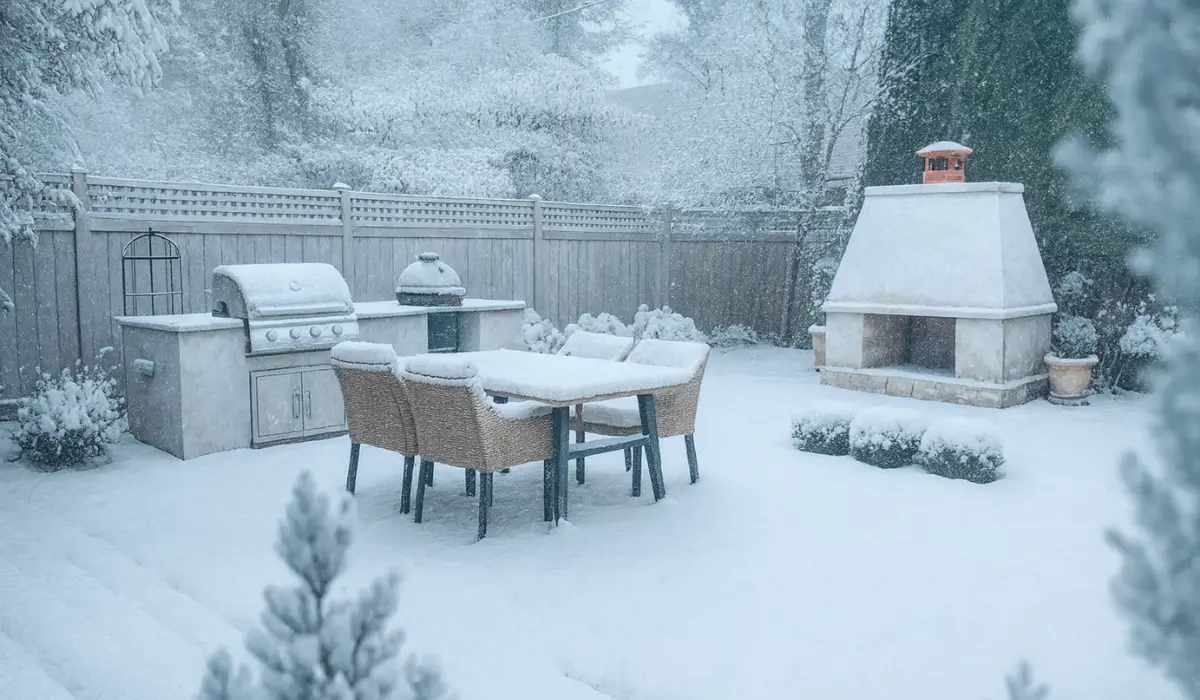
Snow-Covered Outdoor Kitchen Showing Harsh Winter Exposure
What You Can (and Should) Decide During Winter
Every spring project starts with decisions made months earlier. Winter is the time to define those details.
Key Items To Decide Now Include:
- Patio or walkway layout
- Drainage redirection or sump discharge management
- Tree, shrub, and perennial placement
- Lighting locations and fixture selection
- Retaining wall sizing and materials
- Turf type, edging, and mulch coverage
Off-Season Planning Steps
✔ Schedule a site consultation
✔ Review material samples indoors
✔ Finalize grading and drainage changes
✔ Lock in hardscape design
✔ Submit permits and HOA paperwork
✔ Book crew and order materials
Use winter to build your landscape on paper, so everything’s ready when ground conditions allow. That kind of clarity keeps your project focused and costs predictable.
Sample Timeline: From January to June
A typical project timeline for Off-Season Landscaping looks like this:
January – February
✔ Design consultations
✔ Site assessments, sun exposure, drainage evaluation
✔ Finalizing layout, scope, and plant selections
✔ Permit submission and HOA paperwork
March
✔ Material procurement for stone, mulch, lighting, and soil
✔ Grading preparations or minor excavation
✔ Confirmation of install dates and delivery coordination
April – May
✔ Full installation of patios, planting beds, and lighting
✔ Drainage systems are finalized
✔ Soil is amended and turf is seeded or sodded
Planning this early avoids project overlaps that cause materials to sit unused or crews to be rescheduled mid-build. Weather is always a factor, but preparation controls the rest.
Think of January as the blueprint, not the off-season.
Why Off-Season Landscaping Projects Finish Better
Projects planned in winter move faster in spring. When decisions are already made, contractors can begin as soon as conditions allow.
- Fewer delays from backordered materials
- Less soil disturbance and stress to new plants
- Cleaner scheduling for all crews involved
- Better quality control when timelines are steady
Those who wait for warmer weather often face limited availability and rushed results. Early planning makes room for higher standards and better finishes.
Working with a trusted landscape contractor near me during winter means your ideas aren’t rushed—they’re respected.
Build Your Spring Project the Right Way
Off-Season Landscaping is not about working in cold conditions. It is about using winter as the ideal time to plan with purpose. The season gives you space to work through design ideas, address drainage issues, and make confident decisions without seasonal pressure.
Whether you’re adjusting slope and grading, partnering with a trusted hardscape company to add new features, or planning a full landscape renovation, Tommy Pollina Landscape Company brings structure and experience to every step.
Early planning protects your timeline, keeps costs predictable, and ensures your project is ready to move forward as soon as conditions allow.
Set your project up for success while time is still on your side. Schedule your Design Services consult or call 847-698-6868 to reserve your spot before spring demand makes planning more difficult.
Latest Posts:
- Winter Drainage Solutions to Prevent Ice Build-Up Around Glencoe Homes
- Hardscape Maintenance Tips for Icy Winters in Winnetka
- Winterizing Outdoor Kitchens in Wilmette & Park Ridge
- What Happens If You Don’t Remove Snow From Your Lawn?
- Valentine’s Day Garden Prep: Plants That Bloom Beautifully by May
- 3 Landscape Design Ideas to Lock In Before Spring Rush Starts
- Thinking of a Patio? Why February Is Prime Time for Hardscape Planning
- Functional & Beautiful Retaining Walls for Winnetka Homes
- Transforming Small Backyards in Kenilworth with Hardscaping
- 5 Landscape Design Trends for Glencoe Homeowners in 2025
- French Drain vs. Channel Drain: Which Works Best for Glenview Homes?
- Landscape Drainage Solutions That Actually Work in Winnetka
- Planning a Late Summer Hardscape Installation in Park Ridge
- Outdoor Kitchen Add-Ons Worth the Investment in Glencoe
- We’re Featured on Redfin! Backyard Privacy Tips from Tommy Pollina Landscaping
- Creating Multi-Level Hardscape Designs for Glenview Backyards
- Overwatering or Drying? Smart Irrigation System Installations
- Drainage Upgrades to Prevent Fall Flooding in Park Ridge
- Best Arborvitae Varieties for Privacy in Winnetka & Wilmette
- Designing Outdoor Kitchens with Built-In Fire Features in Glencoe
- Retaining Wall Designs to Manage Slopes in Kenilworth
- Landscape Installation Ideas to Boost Curb Appeal in Lake Forest
- Fall Drainage Maintenance Checklist for Glenview Homeowners
- The Best Time for Arborvitae Installation in Kenilworth & Glencoe
- Boost Curb Appeal in Wilmette: Combine Hardscape and Plantings Today
- Choosing the Right Hardscape Material for Wilmette Backyards
- Drainage Solutions to Protect Foundations in Winnetka Homes
- Yard Drainage Problems in Glenview: What to Watch for This Spring
- Outdoor Kitchen Lighting and Heating Upgrades for Fall Entertaining
- Outdoor Kitchens in Park Ridge: A Must-Have for Summer
- Evergreens and Shrubs in Glencoe with Cold-Weather Plant Installation
- Hardscaping Solutions for Stronger & Durable Outdoor Spaces
- Boost Your Home Value with an Outdoor Kitchen: 100% Return on Investment!
- Tired of a Patchy Lawn? Let’s Go Over Some Valuable Tips
- No Privacy in Your Yard? Landscape Designs That Add Beauty & Seclusion
- Year-Round Yard Care: Cleanup, Snow Removal & Tree Care Services
- Mulch is Frequently Used in Landscape Design
- Yard Flooding Issues? A Complete Guide
- Controlling Sump Pump Discharge