
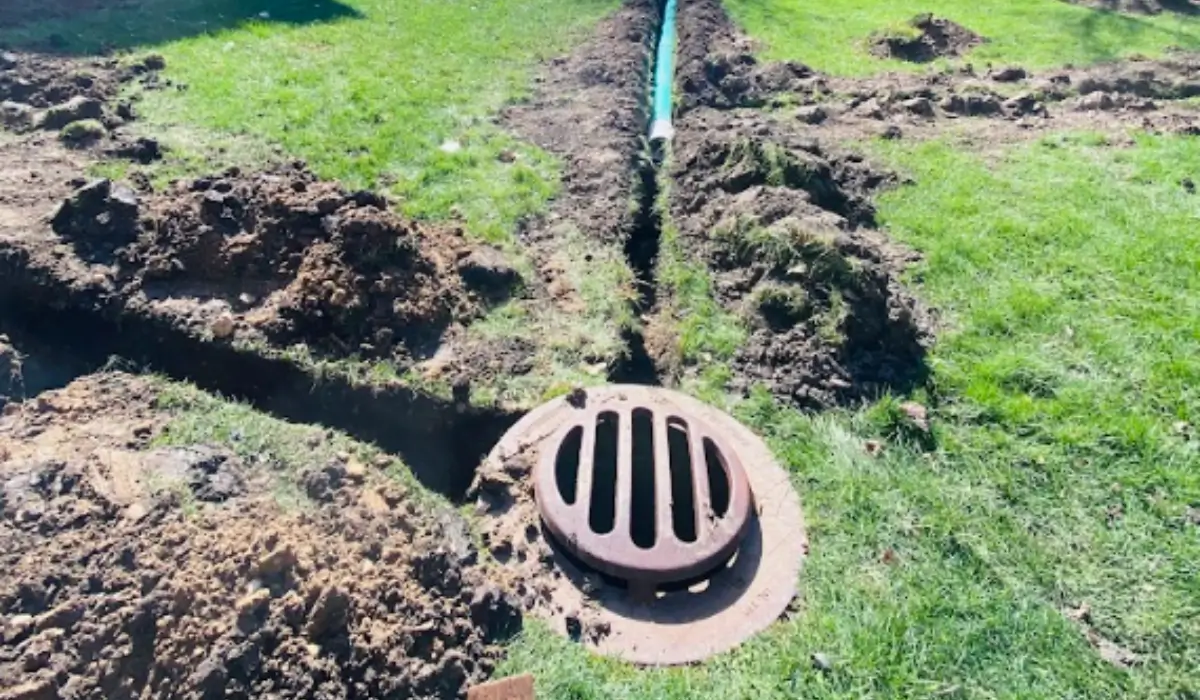
Protect Your Glenview Home from Flooding with a French Drain vs. Channel Drain Solution
When water starts pooling in Glenview yards or creeping toward basement walls after heavy rain, it’s a clear sign the property’s drainage system may be failing. French drain vs. channel drain is one of the most common comparisons local homeowners face when choosing how to prevent long-term moisture damage.
Tommy Pollina Landscape Company provides expert drainage services that have helped Glenview residents protect their homes for over 40 years. While both systems are designed to redirect water effectively, selecting the wrong one can lead to recurring flooding, erosion, or costly structural repairs.
Drainage issues escalate fast once Glenview’s soil freezes. When water threatens your foundation or hardscape, time matters. Call (847)-698-6868 for expert help before snowmelt or storms turn a manageable fix into a costly structural repair.
Why Improper Drainage Damages Glenview Lawns and Foundations
Even minor drainage problems can lead to major property damage over time. In Glenview, the naturally dense, clay-rich soil slows water absorption. Add in shallow grading on many lots, and water tends to flow back toward the home instead of away—causing issues both above and below ground.
When water pools near the foundation, it creates hydrostatic pressure against basement walls.
This often leads to:
- Foundation cracks that allow seepage into the basement
- Premature sump pump failure due to over-cycling during storms
- Moisture buildup in crawlspaces that damages insulation and wood framing
Surface-level issues are equally important. When lawns stay wet long after a storm, it’s not just poor drainage—it’s a signal that the soil has compacted or that runoff isn’t being handled properly.
Signs of surface damage include:
- Soggy, thinning turf due to root rot and lawn disease
- Persistent puddles that attract mosquitoes and mold
- Compacted soil that worsens water retention with every storm
Water that’s not properly diverted can also lead to gradual erosion. Over time, even modest runoff wears away topsoil, destabilizes plant beds, and shifts hardscape elements like walkways or retaining walls.
The long-term cost isn’t just cosmetic. Poor drainage reduces landscape performance, stresses key systems, and leads to expensive repairs if left untreated.
Reliable residential drainage systems like French or channel drains help prevent these problems before they start. When properly installed, they move water away from the home, support healthier soil, and protect the property’s long-term value.
Understanding French Drains
A French drain is a subsurface system that redirects excess groundwater or surface runoff away from vulnerable areas. This type of solution is widely used in Glenview properties where traditional grading isn’t enough to prevent pooling near foundations, lawns, or low spots.
How It Works
The system relies on a trench filled with gravel and a perforated pipe that collects and transports water away from saturated soil zones. As water seeps through the gravel, it enters the pipe and is diverted toward a safe discharge point—such as a dry well, storm drain, or curb outlet.
Key Components Include:
- A perforated 4-inch pipe (commonly PVC or corrugated plastic)
- Drainage rock or washed gravel to support water movement
- Geotextile fabric to filter sediment and prevent clogging
- A minimum trench depth of 12 inches, adjusted for soil type
- A continuous slope of about 1% to ensure proper flow
When It’s the Right Solution
French drains are effective in areas where water consistently saturates the soil or flows toward structures. They’re especially useful for:
- Lawns with standing water or soft spots
- Downspout zones where water accumulates near the foundation
- Gradually sloped yards with poor runoff control
- Basements prone to seepage from saturated ground
Many homeowners interested in french drain installation North Shore Chicago prefer this system for its hidden design. Once installed, the drain sits entirely below ground, preserving the look of the landscape while quietly doing its job. Unlike surface-level solutions, it won’t interfere with walkways, patios, or everyday yard use.
Understanding Channel Drains
A channel drain—sometimes referred to as a trench drain—is a surface-level system designed to capture and redirect runoff across hardscaped or high-traffic areas. Unlike subsurface systems, it actively collects water as it flows over driveways, patios, or other paved surfaces.
Design and Function
A long, grated trough installed flush with the ground captures surface runoff. As water flows across paved areas, it enters through the visible grate and moves through a sloped interior channel that directs it toward a discharge pipe.
Maintaining the proper slope and alignment during installation is critical. Without it, water can pool around the drain rather than flow through it efficiently.
Best Use Cases
This system is most effective in areas with heavy surface runoff, where underground options like French drains may not perform well. Common applications include:
- Driveway bases and garage entries
- Pool decks and outdoor living spaces
- Sidewalks and paved walkways near sloped or runoff-prone areas
Where Channel Drains Excel
On Glenview properties, channel drains are often the best choice for:
- Driveways that pitch toward the home or garage
- Paved surfaces where standing water frequently collects
- Limited lawn space that doesn’t allow for trenching or subsurface drainage
Many yard drainage solutions fall short because they ignore how surface water behaves. In flat or fully paved zones, channel drains remain one of the most effective ways to prevent pooling and protect nearby structures.
Where French Drain vs. Channel Drain Works Best
When evaluating french drain vs. channel drain, it’s important to consider water source, location, and yard structure.
| Feature | French Drain | Channel Drain |
|---|---|---|
| Installation Depth | Subsurface (8–24″ typical) | Surface-level |
| Best For | Soggy lawns, slopes, basements | Driveways, patios, hardscapes |
| Visibility | Hidden below ground | Exposed grate |
| Debris Sensitivity | Lower (with filter fabric) | Higher (requires grate cleaning) |
| Maintenance | Occasional flushing | Regular debris clearing |
| Cost Range (avg) | $25–$50/linear foot (installed) | $30–$60/linear foot (installed) |
French drains tend to have higher longevity and lower visibility, while channel systems provide fast runoff relief in paved zones.
Keep in mind, every Glenview yard is unique—especially older properties with outdated systems installed by the wrong drainage contractor.
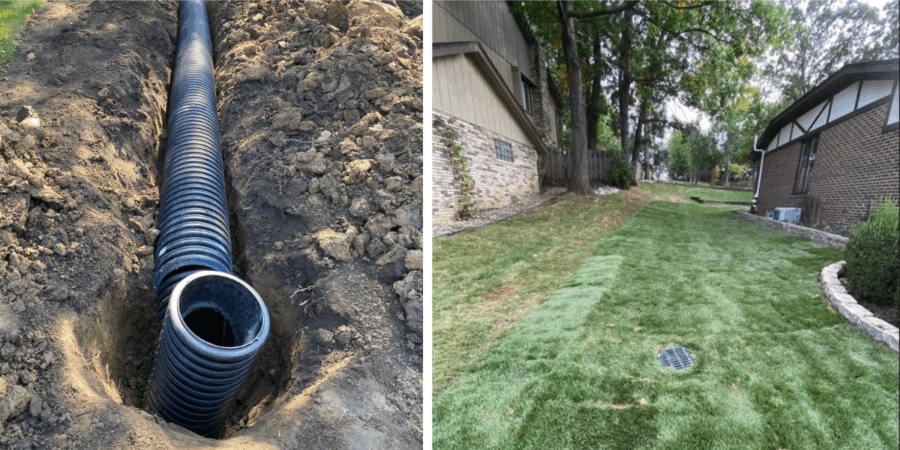
French Drain Installation Before and After — Corrugated Pipe and Sod Restoration
Choosing Between French Drain vs. Channel Drain Systems
Not every system works for every lawn. A successful drainage design must consider Glenview’s unique landscape conditions and construction history.
Key Decision Factors:
Soil Type
Clay-heavy soil, found throughout Glenview, retains moisture longer and slows infiltration. In these conditions, French drains work best by pulling groundwater away before it reaches structural areas. Deeper trenching and subsurface piping offer consistent results even in saturated zones, especially in compact soils described in the USDA’s Soil Health Texture and Structure Guide.
Loamy or sandy soil drains more efficiently and typically allows for surface-level solutions, where channel drain systems handle quick-moving runoff without the need for underground excavation in these environments.
Slope & Grading
A yard graded toward the home sends water straight to the foundation. Subsurface drainage becomes necessary to intercept and redirect flow below grade. French drains control underground movement while relieving hydrostatic pressure near basement walls.
Level or gently sloped yards often benefit from channel drains, especially in paved sections where runoff collects along walkways or driveways.
Runoff Volume
Rooflines that funnel large amounts of rainwater to specific points—especially at downspouts or at the base of sloped driveways—produce high-volume surface runoff. This load is best managed along hardscaped edges using surface-level drainage built for rapid collection.
In turf zones with gradual pooling, French drains offer slow, steady relief by absorbing excess moisture underground and moving it to a controlled outlet.
Existing Systems
Properties already equipped with sump pump installation benefit from full-system integration. French drains often connect directly to sump discharge lines, creating a seamless path that moves water away from the structure without overburdening the system.
Our team often advises clients dealing with residential drainage systems to combine both styles: French drains around the lawn, and channel drains near paved surfaces. Proper planning can mean the difference between minor updates now—or a major excavation next spring.
Glenview’s Trusted Choice for Lasting Drainage Solutions
Choosing between a french drain vs. channel drain depends entirely on your property’s conditions—not on which system sounds better on paper. Soil type, grading patterns, and runoff behavior determine which option will provide lasting results.
Hundreds of Glenview homeowners have trusted Tommy Pollina Landscape Company to eliminate drainage issues before they escalate. Whether the problem involves surface flooding or moisture near the foundation, our team delivers long-term solutions backed by decades of experience and precision drainage services tailored to Glenview homes.
Latest Posts:
- Winter Drainage Solutions to Prevent Ice Build-Up Around Glencoe Homes
- Hardscape Maintenance Tips for Icy Winters in Winnetka
- Winterizing Outdoor Kitchens in Wilmette & Park Ridge
- What Happens If You Don’t Remove Snow From Your Lawn?
- Valentine’s Day Garden Prep: Plants That Bloom Beautifully by May
- 3 Landscape Design Ideas to Lock In Before Spring Rush Starts
- Thinking of a Patio? Why February Is Prime Time for Hardscape Planning
- Functional & Beautiful Retaining Walls for Winnetka Homes
- Transforming Small Backyards in Kenilworth with Hardscaping
- 5 Landscape Design Trends for Glencoe Homeowners in 2025
- French Drain vs. Channel Drain: Which Works Best for Glenview Homes?
- Landscape Drainage Solutions That Actually Work in Winnetka
- Planning a Late Summer Hardscape Installation in Park Ridge
- Outdoor Kitchen Add-Ons Worth the Investment in Glencoe
- We’re Featured on Redfin! Backyard Privacy Tips from Tommy Pollina Landscaping
- Creating Multi-Level Hardscape Designs for Glenview Backyards
- Overwatering or Drying? Smart Irrigation System Installations
- Drainage Upgrades to Prevent Fall Flooding in Park Ridge
- Best Arborvitae Varieties for Privacy in Winnetka & Wilmette
- Designing Outdoor Kitchens with Built-In Fire Features in Glencoe
- Retaining Wall Designs to Manage Slopes in Kenilworth
- Landscape Installation Ideas to Boost Curb Appeal in Lake Forest
- Fall Drainage Maintenance Checklist for Glenview Homeowners
- The Best Time for Arborvitae Installation in Kenilworth & Glencoe
- Boost Curb Appeal in Wilmette: Combine Hardscape and Plantings Today
- Choosing the Right Hardscape Material for Wilmette Backyards
- Drainage Solutions to Protect Foundations in Winnetka Homes
- Yard Drainage Problems in Glenview: What to Watch for This Spring
- Outdoor Kitchen Lighting and Heating Upgrades for Fall Entertaining
- Outdoor Kitchens in Park Ridge: A Must-Have for Summer
- Evergreens and Shrubs in Glencoe with Cold-Weather Plant Installation
- Hardscaping Solutions for Stronger & Durable Outdoor Spaces
- Boost Your Home Value with an Outdoor Kitchen: 100% Return on Investment!
- Tired of a Patchy Lawn? Let’s Go Over Some Valuable Tips
- No Privacy in Your Yard? Landscape Designs That Add Beauty & Seclusion
- Year-Round Yard Care: Cleanup, Snow Removal & Tree Care Services
- Mulch is Frequently Used in Landscape Design
- Yard Flooding Issues? A Complete Guide
- Controlling Sump Pump Discharge